How should you negotiate when you can’t compromise? In hostage negotiations, you can’t bargain for half a person for half the asking price. You can’t split the difference. So, how do they get a person out of harm’s way, without giving in to threats?
As per Chris Voss, who was at one point the FBI’s top hostage negotiator, you start by hearing them out. Not by aggression or escalating remarks, but by acknowledging their situation. This is also how you should conduct negotiations in your life.
This wasn’t always the thinking in negotiations. From previous decades, it was taught that you should first separate the people from the problem. That is until the early 2000’s when a kidnapping negotiation ended in deaths and casualties. From then on, Chris Voss had to rethink their negotiation methods. He argued that negotiation is not a rational exchange. It is emotional and psychological. You cannot separate emotions from people.
This book is filled with stories of high-stakes negotiations, and negotiation techniques all with an emotional purpose. To summarize:
You have to make people feel safe thru active listening. You have to make people feel recognized and validated thru tactical empathy. You have to make people feel in control by giving them permission to say No. You have to make people feel accepted before they are willing to take in influence. You have to make people feel understood by triggering a “that’s right”, instead of a “you’re right”.
Use anchors, and ranges if you need to shift your counterpart’s perspective. If you want to guarantee implementation: use calibrated questions, pay attention to their body language, and keep in mind that there could be other decision-makers. On actual bargaining, prepare in advance, have a set price, and use the Ackerman Method. If you want to uncover game-changing information, you must be able to understand your counterpart’s worldview.
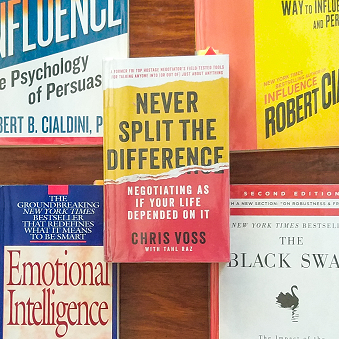
Why read Never Split The Difference?
You learn to acknowledge emotions in negotiations, and how best to manage them. You learn how to communicate effectively in negotiations. You learn how to deal with conflict, and to overcome the fear and anxiety that go with it.
How can you use this information?
Negotiate. Make deals. You have it in your power to get better outcomes
See more:
Like, Follow, and Get notified in advance through social media sites:
IG – https://www.instagram.com/booknewb/
FB – https://www.facebook.com/booknewb/
TW – https://twitter.com/booknewb

 book newb
Leave a comment